

close
Choose Your Site
Global
Social Media
Views: 0 Author: Site Editor Publish Time: 2026-10-19 Origin: Site


In the demanding field of marine engineering, a universally accepted baseline exists: 316 and 316L stainless steel represent the gold standard for combating aggressive saltwater corrosion. However, simply writing "stainless steel" on a purchase order is rarely sufficient to guarantee long-term operational performance or crew safety.
Many procurement managers, shipyard technicians, and even seasoned marine engineers inadvertently overlook critical mechanical thresholds during the sourcing phase. Internal sealing mechanisms and strict regulatory compliance factors are frequently treated as afterthoughts. This oversight leads directly to premature internal leakage, catastrophic blowout failures, or severe compliance roadblocks during rigorous vessel inspections by maritime authorities.
This comprehensive guide serves as an ultimate, decision-stage checklist tailored specifically for demanding maritime applications. Moving beyond basic metallurgical properties, we will examine the precise engineering parameters that dictate true seaworthiness. Whether you are sizing a primary cooling line or selecting a reliable stainless steel globe valve for a complex ballast network, understanding these technical nuances is paramount for ensuring operational longevity.
Key Takeaways for Field Engineers
Corrosion resistance is merely the starting point: Stem sealing mechanisms, pressure ratings, and flow control characteristics ultimately dictate a valve's true lifespan in harsh ocean environments.
Connection architecture matters: Choosing the correct end connection is critical for structural integrity under constant hull vibration.
Certifications are non-negotiable: Marine-specific type approvals from classification societies like DNV or ABS are mandatory for commercial vessel compliance.
Packing materials prevent fugitive emissions: Selecting the proper stem packing blocks internal saltwater ingress and prevents hazardous leaks.
Pre-installation testing is essential: Hydrostatic shell testing ensures the component is fully seaworthy before it is ever welded into the ship's infrastructure.
Before diving into material test reports and mechanical specifications, it is crucial to understand the current maritime regulatory landscape. Recent trends in marine engineering show a massive push towards decarbonization. Strict Energy Efficiency Existing Ship Index and Carbon Intensity Indicator regulations are forcing naval architects to rethink traditional piping layouts.
Consequently, optimizing piping hydrodynamics is no longer just about preventing leaks. It is heavily focused on reducing parasitic pump loads. Analyzing flow coefficients has become a focal point in modern shipyard audits. Poorly sized piping components force shipboard pumps to consume more marine gas oil, which negatively impacts the vessel's overall carbon footprint and operating costs. Selecting the right valve internal geometry is now a primary energy-saving strategy.
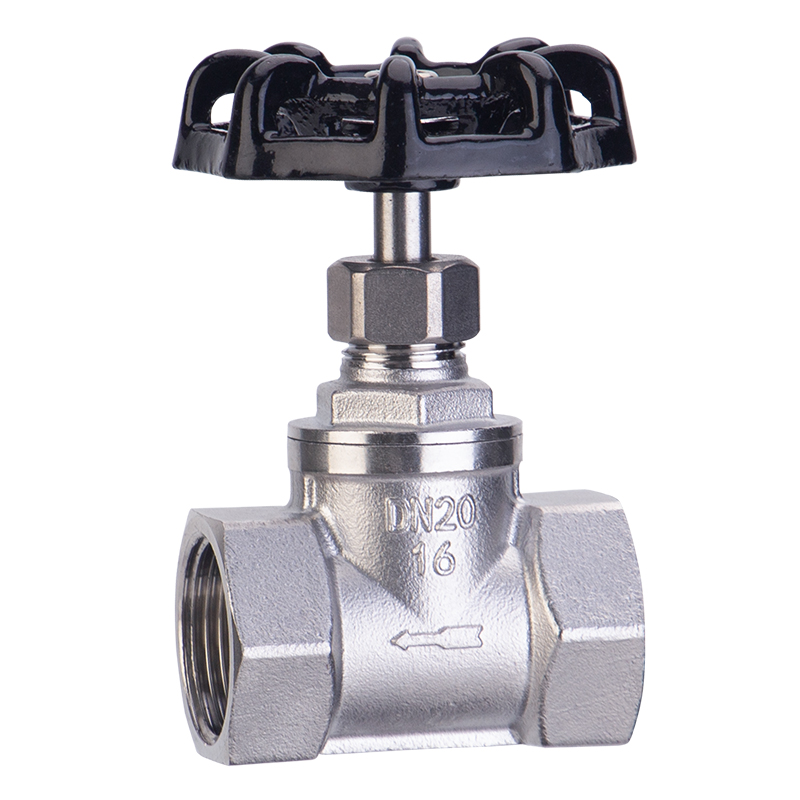
Field engineers specifically choose globe-style architectures over alternatives like ball, butterfly, or gate variants for highly specific shipboard systems. The internal geometry forces the fluid flow to change direction through a Z-shaped or S-shaped path. This unique design provides exceptional hydrodynamic control.
Gate valves are strictly designed for simple on and off isolation. They suffer severe seat erosion if left partially opened. In contrast, globe valves are uniquely engineered with a spherical body and an internal baffle that excels at regulating fluid flow. The linear motion of the disc allows operators to precisely modulate the volume of fluid passing through the pipeline. This makes them indispensable in cooling water systems, fuel oil transfer lines, and heavy fuel oil purifiers where flow rates must be constantly adjusted.
Furthermore, when fully closed, the design provides exceptional shut-off capabilities. Operating as a primary marine piping isolation valve, it utilizes the actual line pressure to help press the disc firmly against the seat. This creates a highly robust seal. This dual capability drastically reduces the need to install multiple valve types within a single pipe run, saving valuable engine room space.
Shipboard piping systems operate under immense pressure and high fluid velocity. When a technician closes a valve too quickly in a high-pressure liquid line, the sudden halt in fluid momentum creates a severe hydraulic shockwave. This destructive force, known as a water hammer, can easily rupture pipe joints, shatter pump impellers, and compromise hull integrity.
Quarter-turn valves are highly susceptible to causing water hammer because a single swift motion shuts them instantly. The multi-turn, linear-actuated design of a globe valve inherently requires several rotations of the handwheel to fully seat the disc. This mechanical limitation acts as a built-in safety buffer. It gradually reduces fluid velocity and effectively mitigates hydraulic shock risks in critical infrastructure.
Relying solely on the chemical composition of austenitic stainless steel is a dangerous oversimplification. The mechanical strength of the metal fluctuates significantly based on the internal pressure of the fluid medium and the ambient temperature of the operating environment.
Marine fluid control components are categorized by pressure and temperature ratings, most commonly defined by the ASME B16.34 standard. Leading manufacturers like Shuanglin Valves engineer components ranging from Class 150 up to Class 2500 to meet diverse maritime demands. It is a fatal engineering error to assume a Class 150 valve can safely handle 150 PSI across all temperature spectrums. The maximum allowable working pressure steadily decreases as the internal temperature rises.
For instance, a standard Class 150 body safely contains 275 PSI at an ambient room temperature of 38 degrees Celsius. However, its structural capacity drops dramatically to roughly 195 PSI when exposed to the 204 degrees Celsius temperatures common in marine boiler systems. Matching the pressure class to the specific operational reality of the system is a mandatory safety check.
Commercial vessels experience extreme temperature gradients. A valve installed on the exposed weather deck of an icebreaker faces freezing arctic winds, while a similar unit located deep in the engine room is subjected to intense radiant heat. Internal fluids like superheated steam or cryogenic liquefied natural gas cause rapid thermal shifts.
Stainless steel possesses a specific coefficient of thermal expansion. Under thermal shock, the valve body, stem, and disc expand and contract at entirely different rates. If the machining tolerances do not account for these thermal movements, the stem binds tightly against the bonnet. This renders the handwheel completely inoperable during an emergency.
A flawless 316L stainless steel exterior is fundamentally useless if the internal seals degrade and fail. The operational longevity of any fluid control device heavily depends on the specific elastomers and polymers used for the stem packing and the seat interface.
The stem packing sits tightly inside the stuffing box, preventing pressurized fluid from traveling up the stem and escaping into the ship's atmosphere. Procurement teams must specify the correct packing material based on the fluid medium and peak operating temperature.
Polytetrafluoroethylene, commonly known as PTFE, offers exceptional chemical resistance and extremely low friction. This makes manual operation smooth and effortless. It is the standard choice for desalination systems, potable water, and light fuels. However, PTFE structurally degrades at high temperatures and is strictly restricted to applications below 204 degrees Celsius. For engine room applications involving thermal oils or high-pressure steam, flexible graphite is mandatory. Graphite easily withstands temperatures exceeding 537 degrees Celsius without losing its sealing integrity.
The precise point where the disc meets the seat dictates the shutoff capability. Soft seats utilizing inserted PTFE rings provide a perfect bubble-tight shutoff. Yet, they are highly vulnerable to permanent scarring from solid particles like sand, rust, or salt scale found in raw seawater.
Metal-to-metal seating remains the industry standard for rugged durability. To combat the erosive forces of high-velocity seawater and the risk of wire-drawing, manufacturers frequently apply a hard-facing overlay. Stellite 6, a rugged cobalt-chromium alloy, is welded directly onto the seating surfaces. This dramatically increases wear resistance and ensures a tight seal even after years of aggressive throttling.
The method utilized to integrate the valve into the ship's piping network directly impacts structural rigidity and maintenance accessibility. Selecting an inappropriate end connection routinely leads to fatigue cracking.
A threaded globe valve utilizing NPT or BSPT thread standards is highly efficient for targeted, low-risk maritime applications. These units are compact, cost-effective, and require minimal tooling to install without initiating hot work protocols.
Strict engineering best practices restrict their deployment to small-bore piping systems under 2 inches in diameter. They are ideal for low-pressure utility networks like compressed air lines. A critical consideration during installation is thread galling. Under pressure and friction, the protective oxide layer on stainless steel threads breaks down, causing the metal to cold-weld together. Technicians must aggressively apply high-quality nickel-based anti-seize compounds to prevent this phenomenon.
For pipe diameters exceeding 2 inches, flanged connections are the mandatory standard. Marine vessels are incredibly dynamic environments. Massive diesel engines and churning propellers generate severe, continuous vibrations throughout the hull.
Threaded connections are notoriously prone to backing out under this constant vibrational fatigue. Flanged connections, secured by high-tensile bolting and sealed with industrial spiral-wound gaskets, provide superior rigidity. They distribute mechanical stress evenly across a larger surface area, isolating the delicate internal components from pipe resonance.
Connection Type | Typical Size Range | Vibration Resistance | Best Marine Application |
|---|---|---|---|
Threaded | 1/2" to 2" | Low | Potable water, compressed air, instrumentation |
Flanged | 2" to 24"+ | High | Main seawater cooling, ballast systems, fuel transfer |
Butt Weld | 2" to 24"+ | Maximum | High-pressure steam, hazardous chemical lines |
The primary mechanical drawback of a globe-style architecture is the significant pressure drop it introduces into the system. The Flow Coefficient represents the volume of water that will flow through a fully open valve with a pressure drop of exactly 1 PSI.
Procurement managers must rigorously verify the flow coefficient value provided by the manufacturer. If a component is undersized, it creates excessive hydrodynamic resistance. This forces the ship's centrifugal pumps to work substantially harder to maintain system flow. The result is excess electrical power consumption and rapidly accelerated pump impeller wear.
Improper sizing in high-pressure seawater systems frequently leads to cavitation. This destructive phenomenon occurs when the localized pressure drops below the fluid's vapor pressure, causing vapor bubbles to spontaneously form. As the fluid pressure recovers downstream, these bubbles collapse with immense micro-explosive force. Over time, cavitation shockwaves literally eat away even the highest-grade 316L stainless steel internals.
Purchasing industrial hardware without proper marine certifications is a massive financial liability. Components installed on classed vessels must strictly adhere to international maritime construction standards to ensure seaworthiness and maintain insurance validity.
The International Association of Classification Societies sets the uncompromising technical rules for ship construction globally. Procuring equipment that carries Type Approval from societies like the American Bureau of Shipping, Det Norske Veritas, or Lloyd’s Register saves immense time and money during vessel commissioning. It serves as independent verification that the design and manufacturing processes withstand punishing marine environments.
Counterfeit materials are a recognized risk in global supply chains. To ensure the body is true 316 or 316L stainless steel, buyers must demand certified Material Test Reports. Specifically, an EN 10204 3.1 or 3.2 certificate provides documented, heat-number traceability of the steel's exact chemical composition. This documentation proves the alloy contains the necessary 2 to 3 percent Molybdenum required to resist chloride pitting.
A rigorous quality control process at the manufacturing facility is the final barrier ensuring the product is seaworthy before it is crated and shipped to the shipyard.
Reputable manufacturers subject their products to stringent testing protocols, most notably the API 598 standard. This includes hydrostatic shell testing, where the body is pressurized with water to 1.5 times its maximum cold working pressure. This guarantees the stainless steel casting will not rupture or sweat under extreme stress. Seat leakage testing is also performed to verify the disc and seat form a proper seal.
For high-pressure marine environments, manufacturers perform Non-Destructive Testing on cast bodies. Techniques like Dye Penetrant Inspection reveal microscopic surface cracks, while Radiographic Testing utilizes industrial X-rays to ensure the internal integrity of the casting is structurally flawless.
Procurement decisions driven solely by the lowest initial purchase price often result in exponentially higher costs down the line. The Total Cost of Ownership calculation must factor in installation complexity, maintenance labor hours, and the devastating cost of vessel downtime.
Marine engine rooms are notoriously cramped and difficult to navigate. Removing a heavy, malfunctioning unit entirely from the piping system for repair is incredibly labor-intensive. Engineers prioritize architectures featuring a bolted bonnet design. A bolted bonnet allows technicians to simply remove the top section to access and replace the packing, stem, or disc, all while the main body remains securely flanged in the pipeline.
For direct, continuous exposure to seawater or salt-laden marine atmospheres, 316 or 316L stainless steel is strictly required. The critical metallurgical difference is the addition of 2 to 3 percent molybdenum in the 316 alloy. Molybdenum drastically increases the metal's resistance to pitting and crevice corrosion in chloride-rich environments. Grade 304 lacks molybdenum and will rapidly rust and structurally fail when exposed to harsh saltwater conditions.
Aluminum bronze is an exceptional material for raw seawater applications due to its natural resistance to marine biofouling and galvanic corrosion. However, stainless steel offers a significantly broader range of chemical and thermal compatibility. While aluminum bronze is perfect for seawater cooling lines, stainless steel is absolutely mandated for systems handling aggressive chemicals, heavy fuel oils, or high-temperature steam where aluminum bronze would quickly lose its mechanical tensile strength.
Generally, no. While threaded connections are highly effective for low-pressure utility lines and small-bore potable water systems, they are dangerous in high-pressure steam environments. Steam systems experience severe thermal cycling and immense pressure. This easily causes threaded joints to loosen, back out, and leak highly dangerous, invisible steam. High-pressure steam lines require flanged or butt-welded connections to ensure absolute safety.
Internal leakage is rarely due to the stainless steel body itself failing. It is most commonly caused by abrasive debris, such as sand or hard salt scale, becoming trapped and physically scoring the metal seat. Additionally, utilizing the component for severe throttling too close to the shutoff position causes high-velocity fluid to erode the seat through wire-drawing. The natural thermal degradation of internal elastomeric seals over years of service also eventually compromises shutoff integrity.
A rising stem design allows the stem to move upward as the handwheel is turned, providing a clear visual indicator of whether the line is open or closed. This is highly preferred in marine engineering for safety checks. A non-rising stem stays at the same height, which is useful only in extremely cramped shipboard spaces where vertical clearance is severely limited, though it lacks the visual open and close confirmation.
Visual inspections for external leaks and stem corrosion should occur during routine monthly engine room checks. A comprehensive internal inspection, including replacing the PTFE or graphite stem packing and checking the seat for wire-drawing, is typically aligned with the vessel's dry-docking schedule every 30 to 60 months. High-wear applications like boiler blowdown systems require annual maintenance.
True maritime reliability extends far deeper than the surface metal. A seaworthy component must seamlessly handle extreme pressure gradients, severe thermal shock, and relentless hull vibration. By looking beyond the basic alloy grade and rigorously evaluating flow coefficients, pressure classes, and maintenance accessibility, procurement teams can safeguard their shipboard infrastructure against premature failure. For certified, high-performance fluid control solutions engineered specifically for harsh ocean environments, explore the comprehensive maritime catalog at Shuanglin Valves to ensure your next project exceeds international compliance standards.


