

close
Choose Your Site
Global
Social Media
Views: 0 Author: Site Editor Publish Time: 2026-11-04 Origin: Site


Have you ever been startled awake at 2 AM by a loud, haunting bang echoing through your walls? These unsettling noises are the classic symptom of a plumbing phenomenon known as water hammer. Far more than just a minor nighttime annoyance, hydraulic shock is a highly destructive physical force. Left untreated, it severely damages copper or PEX pipes, loosens tight fittings, and causes hidden leaks behind your drywall.
From an engineering perspective, this problem frequently occurs near high-use appliances. Toilets and water heaters are the most common culprits due to their specific mechanical functions and constant exposure to fluctuating pressure. Fortunately, tearing into your ceilings or walls is rarely necessary. While modern homes often utilize quick-closing quarter-turn valves for sheer convenience, swapping them for a slow-opening angle valve is a scientifically sound, non-invasive strategy to neutralize hydraulic shock at its source.
Destructive Force: Hydraulic shockwave is caused by a sudden stop in water flow, carrying enough kinetic energy to rupture pipe joints.
Primary Culprits: Toilets and water heaters trigger these shocks due to fast-acting internal mechanisms and thermal expansion.
Velocity Control: Installing a multi-turn mechanism forces a gradual reduction in water velocity, actively preventing the sudden pressure spike.
Material Matters: Upgrading to solid forged brass guarantees long-term durability, corrosion resistance, and protection against catastrophic indoor flooding.
Non-Invasive Fix: Replacing a standard endpoint shut-off is a manageable DIY project that saves your property from expensive demolition.
Recent plumbing industry analyses reveal a sharp spike in residential water hammer complaints over the past decade. This trend is not a coincidence. As municipalities continuously upgrade infrastructure to accommodate growing urban populations, baseline municipal water pressure is being pushed higher. Older domestic plumbing systems are bearing the brunt of this increased force.
Modern appliance design also plays a massive role. The current market push for high-efficiency, water-saving appliances means that flow is halted much more abruptly than in decades past. Today's washing machines, dishwashers, and smart toilets utilize solenoid valves that snap shut in mere milliseconds. Older residential piping networks were simply not engineered to absorb these violent, instantaneous shut-offs. Consequently, addressing flow velocity at the fixture connection has become a critical preventative maintenance standard for property owners.
Hydraulic shock is pure fluid dynamics in action. Water is heavy. It is also inherently incompressible. When it rushes through your home supply lines, it carries immense kinetic energy. If a valve snaps shut instantly, that fast-moving water has absolutely nowhere to go.
Because the fluid cannot compress to absorb the impact, the kinetic energy instantly converts into a high-pressure shockwave. This wave travels backward through the plumbing system at incredible speed. It causes pipes to vibrate violently against wooden studs or masonry. That physical impact creates the loud bang or thud echoing through your home.
Ignoring these sounds is a highly risky decision. Continual hydraulic shock stresses your entire infrastructure. Over time, these repeated pressure spikes loosen pipe joints, degrade rubber seals, and damage the delicate internal components of expensive appliances. What starts as a simple noise often leads to micro-fractures in copper piping, ultimately resulting in hidden leaks behind drywall.
Toilets are arguably the most common source of localized hydraulic shock. Modern toilet fill valves are engineered for strict water conservation. When you flush, the tank refills rapidly. Once the water reaches the designated level, the internal float mechanism triggers the fill valve to shut off instantly.
Picture this scenario. You wash your hands, turn off the bathroom light, and just as you step into the hallway, a loud bang shakes the floor. This abrupt, snap-action closure is highly effective at stopping water waste. However, it is the exact mechanism that causes a sudden halt in water velocity. Because toilets are used multiple times a day, this hidden structural damage accumulates rapidly.
Water heaters operate under a completely different set of physical stressors, primarily thermal expansion. As cold water enters the enclosed tank and heats up, the overall pressure in the pipes increases significantly. The cold water supply line feeding the heater is often equipped with check valves or backflow preventers.
If water flow is abruptly stopped elsewhere in the house, or if the heater internal dynamics cause a check valve to snap shut under high pressure, it traps that kinetic energy. This sends a massive, resonant shockwave through the main water lines, vibrating pipes across the entire property. Because toilets and water heaters are endpoints with high usage and high pressure, their connection points are the most critical zones for intervention.
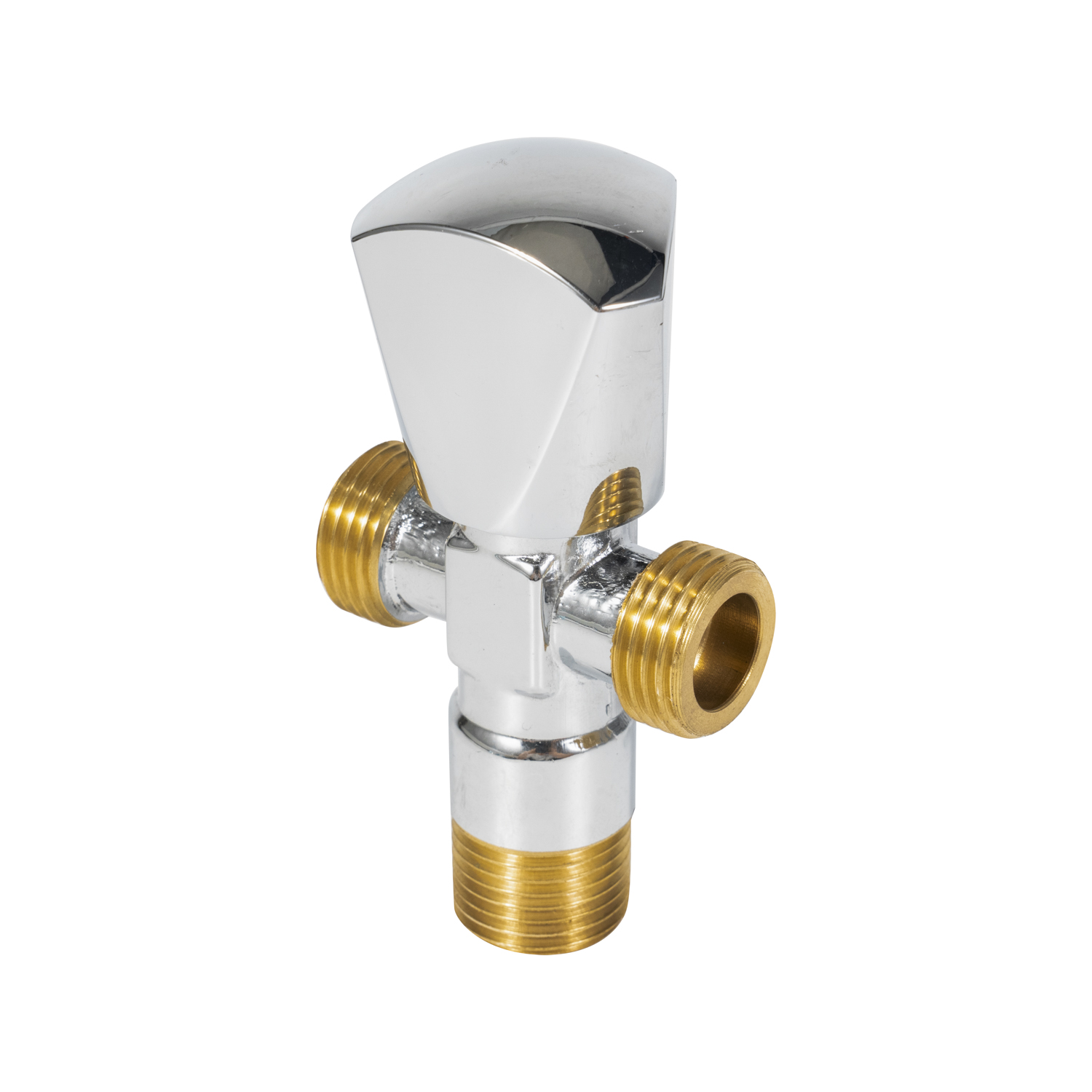
When addressing pipe banging without opening walls, changing the endpoint shut-off valves is the most logical step. Over the last two decades, plumbers began favoring quarter-turn ball valves primarily for installation convenience. They are fast, easy to operate during an emergency, and require very little effort to turn.
Their greatest strength is also their fatal functional flaw regarding fluid dynamics. Because they can be closed in a fraction of a second, they shut off the water instantly. If a homeowner or a connected appliance mechanism closes this valve too quickly, it directly causes or severely exacerbates hydraulic shock.
To make the engineering differences clear, consider the operational mechanics outlined below.
Engineering Feature | Quarter-Turn Ball Valve | Slow-Opening Multi-Turn Valve |
|---|---|---|
Closure Speed | Instantaneous fraction of a second | Gradual requires 3 to 4 full rotations |
Hydraulic Shock Risk | High triggers pressure spikes | Low safely dissipates kinetic energy |
Flow Control | All or nothing | Precision throttling and smooth adjustment |
Best Application | Main line emergency shut-offs | High-use fixtures prone to water hammer |
A multi-turn mechanism forces a gradual reduction in water velocity. As the flow area slowly decreases, the kinetic energy of the moving water is safely dissipated over several seconds. Specifically for fixtures prone to hydraulic shock, this intelligent design is empirically superior. It actively protects the plumbing infrastructure rather than prioritizing sheer convenience.
When replacing critical plumbing components, material selection dictates the lifespan of your entire system. Big-box hardware stores frequently stock cheap plastic, CPVC, or zinc-alloy components. While inexpensive, these inferior materials degrade rapidly under constant municipal pressure. Plastic valves become brittle over time, especially when exposed to the thermal fluctuations near a water heater or UV light in a bathroom. Zinc alloys are susceptible to dezincification, a process where certain water chemistries strip the zinc away, leaving behind a porous shell prone to snapping.
When specifying components for high-pressure endpoints, professional installers look for strict engineering tolerances. A reliable brass fixture shut-off valve should feature a high-density forged brass body. Industry-standard CW617N brass is specifically forged to resist hard water mineral buildup, rust, and internal corrosion. These premium valves are rated to withstand working pressures up to 1.6 MPa.
Furthermore, brass offers exceptional tensile strength. It easily withstands the high-pressure spikes and thermal expansion associated with water heaters and main supply lines. The internal multi-turn stem provides smooth water flow control, ensuring that even if the valve sits untouched under a toilet for five years, the threads will not fuse together.
One of the greatest commercial benefits of using endpoint valves to solve water hammer is avoiding wall demolition. Replacing your old, quick-closing hardware with a precision water supply angle valve is an accessible maintenance task. It typically takes less than an hour and requires minimal tools including two adjustable wrenches, a small bucket, an old towel, and professional-grade Teflon tape.
Step 1: Shutting off the Main Water
Safety dictates your first move. Locate the main water shut-off for your property and turn it completely off. Open a lower-level faucet like a basement sink or exterior hose bib to drain residual pressure and water from the lines. This prevents a massive mess when you remove the old fitting.
Step 2: Removing the Old Valve
Place your shallow pan and old towel under the fixture connection. Residual water will inevitably spill. Disconnect the flexible supply line. Next, you must remove the old valve from the pipe stub-out protruding from the wall. Here is a crucial field technique. Always use two wrenches. Use one wrench to hold the wall pipe steady, and the second wrench to turn the valve counterclockwise. Failing to hold the pipe steady can twist and break the copper or PEX line hidden inside the wall.
Step 3: Installing the New Component
Clean the exposed pipe threads thoroughly. Apply three to four wraps of Teflon tape clockwise around the threads. If you are using a compression fitting on smooth copper, slide the new compression nut and brass ferrule onto the pipe. Push the new valve onto the pipe until it seats fully flush. Hand-tighten the nut, then use your two wrenches to tighten it securely.
Step 4: Testing for Leaks and Hammer
Reconnect the flexible supply line. Ensure the new valve is in the closed position, then slowly turn your home main water supply back on. Check the new connection closely for any micro-drips. If it is completely dry, slowly rotate the handle of your new multi-turn valve to open the water flow. Flush the toilet or run the hot water to bleed trapped air from the lines. Listen carefully. The haunting banging noises should now be eliminated.
While swapping out endpoint valves is highly effective for localized issues, complex plumbing systems sometimes require a multi-layered approach. If a slight vibration persists, consider adding these non-invasive complementary fixes.
Installing Water Hammer Arrestors
Water hammer arrestors act as small mechanical shock absorbers for your plumbing. They contain a small air bladder and a watertight piston inside a sealed copper tube. When a pressure spike occurs, the water pushes the piston up, compressing the air and safely absorbing the kinetic energy. These can be easily threaded directly onto your new angle valve without cutting any pipes.
Checking the Water Pressure Regulator
High municipal water pressure makes hydraulic shock exponentially worse. If your incoming water pressure exceeds 80 PSI, even a slow-opening valve will struggle to manage the sheer force. Purchase a simple pressure gauge that attaches to an exterior hose bib. If the reading is too high, locate your Pressure Reducing Valve and use a wrench to adjust the pressure down to a safe range of 50 to 60 PSI.
Securing Loose Pipe Straps
Sometimes the actual hydraulic shock has been neutralized, but the pipes are still loosely suspended in the basement or crawlspace. Loose pipes will rattle aggressively against wooden framing even with normal water flow. Inspect any exposed plumbing lines. If they move easily when touched, secure them tightly to the wooden joists using proper copper-clad or plastic pipe straps.
While upgrading valves and adding arrestors are excellent maintenance solutions, certain warning signs require professional engineering expertise. You should step back and call a licensed plumber if the pipe behind the wall feels loose or unstable when you attempt to remove the old valve. Turning it further could snap the pipe behind the drywall.
Additionally, if your property was built between 1978 and 1995 and utilizes gray polybutylene pipes, do not attempt the repair yourself. Polybutylene is notoriously fragile and prone to shattering under stress. Finally, if the water hammer persists throughout the entire house despite fixture-level fixes, you may have a failed pressure reducing valve or a waterlogged whole-house air chamber that requires a professional diagnostic inspection.
Ignoring those loud, banging pipes in the middle of the night is a recipe for disaster. Over time, hydraulic shock will compromise your plumbing infrastructure, leading to expensive water damage. Swapping out quick-closing models for a precision multi-turn valve is a brilliant, cost-effective strategy. This simple wall-saving solution effectively neutralizes dangerous pressure spikes right at the source.
Always remember to invest in premium forged brass components for ultimate system longevity. Durable materials ensure long-term protection against sudden leaks and corrosion. If you are ready to protect your property from the destructive forces of hydraulic shock, browse the professional-grade selection at Shuanglin Valves to find the exact flow control components engineered for your specific pressure requirements.
It significantly reduces or entirely eliminates localized water hammer caused by shutting off the water supply manually or by the internal mechanics of a fixture. By forcing a gradual stop to the water flow, it dissipates kinetic energy safely. However, if your home suffers from severe whole-house pressure issues, this valve alone might need to be paired with a dedicated water hammer arrestor.
Ignoring hydraulic shock leads to cumulative structural damage. The repeated violent vibrations will eventually loosen threaded pipe joints, degrade rubber O-rings, and cause micro-fractures in copper piping. This inevitably results in hidden leaks behind your drywall, leading to mold growth, rotted framing, and incredibly expensive flood damage repairs.
Yes, replacing this specific plumbing component is generally a beginner-to-intermediate DIY project. If you have basic hand tools like adjustable wrenches and Teflon tape, it typically takes less than an hour. Always remember to shut off the main water supply and drain the residual pressure before you begin loosening any existing pipe fittings.
They serve different but complementary purposes. An arrestor acts as a shock absorber to catch pressure spikes after they happen, while a slow-opening valve prevents the pressure spike from occurring in the first place by controlling water velocity. For maximum protection near high-risk fixtures like toilets, using both provides the ultimate defense against pipe damage.
Professional plumbers prefer forged brass because it is highly durable and withstands extreme water pressure fluctuations easily. Unlike cheap plastic or zinc alternatives, brass is heavily resistant to internal corrosion, rust, and cracking. This superior material strength prevents catastrophic leaks over time, ensuring your plumbing connections remain functional for decades.
You can neutralize hydraulic shock by directly addressing the exposed endpoints of your plumbing system. Installing multi-turn valves at the fixture connections is highly effective. Additionally, you can add inline water hammer arrestors behind washing machines or toilets. Lowering the main water pressure via the regulator in your basement or garage also requires absolutely zero wall demolition.


